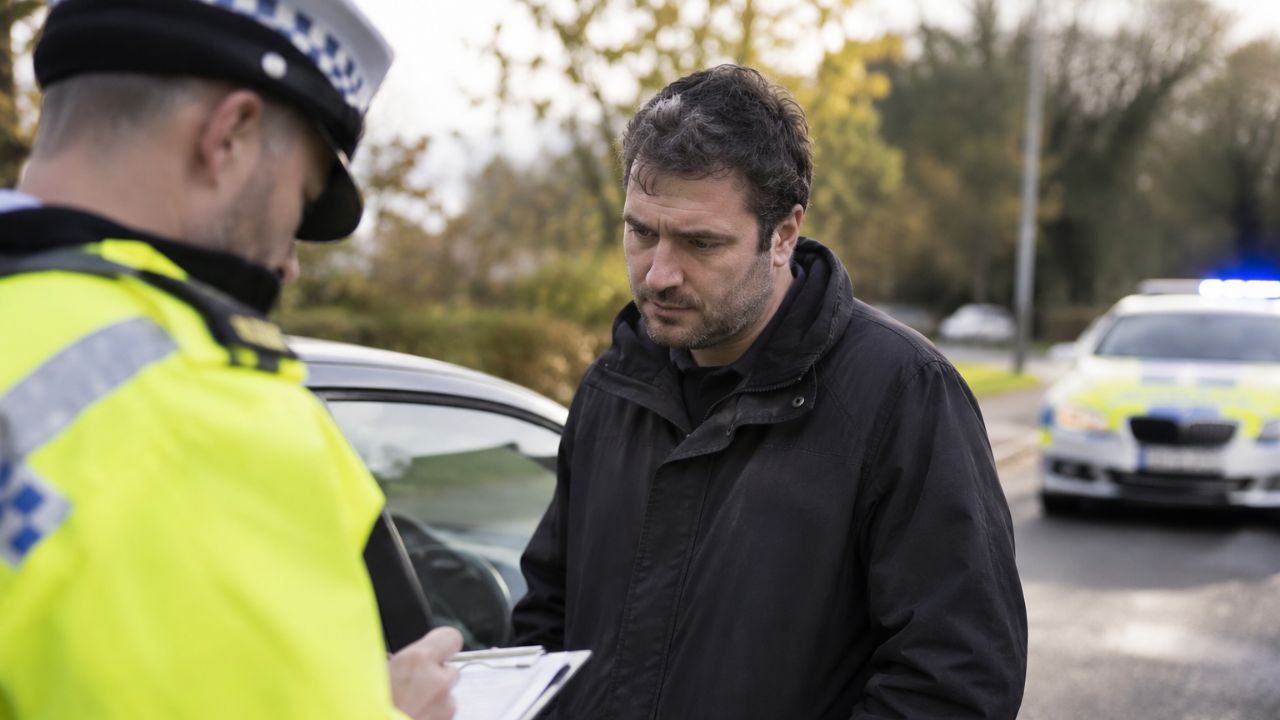
Your DG10 Conviction Explained in 7 Parts, From Licence Ban to Insurance Costs
Your DG10 Conviction Explained in 7 Parts, From Licence Ban to Insurance Costs
Issued by Drug Driving Solicitors, specialist defence lawyers handling drug driving charges throughout England and Wales
What does a DG10 conviction mean in practice? Anyone charged with drug driving, or newly convicted, is likely to be asking.
In England and Wales, the immediate effects are a driving ban of at least 12 months and an endorsement that remains on the licence for 11 years. Higher insurance costs usually follow. A first drug driving offence can make all of this feel overwhelming, but not every consequence lasts as long as people fear, and some can be reduced.
Seven main areas are covered below: licence, insurance, criminal record, job and travel, with guidance on what you can do next.
Disqualification and the Rules That Lengthen It
A mandatory disqualification of at least 12 months follows any DG10 conviction, including a first one. The Driver and Vehicle Licensing Agency (DVLA) uses DG10 for driving with a specified drug in the blood above the legal limit, which falls under section 5A of the Road Traffic Act 1988.
Two situations raise the minimum. First, a relevant drink- or drug-driving conviction, or certain other qualifying motoring convictions involving obligatory disqualification, within the ten years before the current offence lifts it to three years. Second, a separate rule provides for a minimum of two years where you were disqualified twice or more, for 56 days or longer each time, in the three years before the current offence.
Precisely which rules apply depends on your previous convictions and disqualification history.
The 11-Year Record on Your Driving Licence
Conviction starts an 11-year period during which the DG10 stays on your driving record. Most motoring endorsements usually last four years, which makes this one considerably longer.
An endorsement and a ban are different things. After disqualification ends and a valid licence is in your hand, driving is allowed again.
But anybody you permit to check your licence, such as an employer or car hire company, will see the DG10 across the full 11 years.
Course Options Compared: Drink-Drive Versus Drug-Drive Bans
Currently, nothing of the kind exists for drug-drive offenders. The rehabilitation course open to some drink-drive offenders usually reduces a ban by around a quarter, yet drug-drive offenders cannot be offered it and have no national counterpart. Typically, the full ban imposed by the court is served.
Possible change lies ahead, since the Government has recently consulted on drink and drug driving penalties.
Do not expect an automatic return of the licence once the ban is over. A ban of 56 days or more requires an application to the DVLA for a new licence before you drive again.
Sentencing Expectations in the Magistrates’ Court
Drug driving is dealt with in the magistrates’ court. The ceiling for sentencing is an unlimited fine and up to six months’ imprisonment, added to the minimum ban.
Common outcomes for a first offender with nothing aggravating in the case are a fine and a ban at or near the minimum.
Guidelines from the Sentencing Council govern the magistrates. Higher categories, with longer bans or community orders, can follow where the driving was commercial, where alcohol or another drug was also in the blood, or where the driving was poor. Custody is a possibility, but an uncommon one, and is generally saved for the most serious cases.
About to appear in court for a first drug driving offence? Drug Driving Solicitors can assess your case and explain the ways mitigation may affect the sentence.
Premiums, Refusals and Disclosure: DG10 and Insurance
Insurance frequently turns out to be the area where a DG10 has the longest practical effect. A drug driving conviction usually causes premiums to rise significantly, and while it remains unspent, many mainstream insurers will decline to cover you.
Insurers do not all ask the same questions or apply the same acceptance criteria. Some insurance providers may turn down an application, or price it substantially higher, because of a drug-driving conviction. Applications should be read with care and answered truthfully.
Generally, you need not disclose a spent conviction under the Rehabilitation of Offenders Act 1974. However, check the applicable rules and the precise wording of the questions. Brokers that specialise in convicted drivers might help you find a suitable policy.
Spent Status: How the Rehabilitation Period Is Worked Out
DG10 is a criminal conviction, not merely a driving endorsement. When it becomes spent under the Rehabilitation of Offenders Act 1974 depends on your age and on the sentence imposed.
The general rule for adults given the usual fine and endorsement is spent status five years after the date of conviction, absent a longer rehabilitation period.
A disqualification has its own rehabilitation period as well, and whichever applicable period is longest decides the date the conviction becomes spent. Other sentences can change the calculation.
From the spent date, a basic Disclosure and Barring Service (DBS) check generally does not list the conviction, and most employers and insurers usually need not hear of it. Most employers and insurers usually do not need to be told. Roles such as working with children involve higher-level checks, which may follow different rules. On your DVLA record, though, the DG10 itself can still show for the full 11 years.
Jobs and Foreign Trips
It may. A ban can affect your job immediately if driving is part of it, and your contract may require you to report the conviction. Employers who check your licence will see the DG10. Regulated professions, among them healthcare, law and teaching, may impose their own reporting duties, and employers who check your licence will see the DG10.
Foreign travel can be affected as well. On visa and entry applications, some countries, including the USA and Canada, raise the subject of criminal convictions or drug-related offences. Anyone planning to travel should check the entry requirements carefully before booking.
Seeking Legal Help With a DG10 Charge
Many of the serious consequences that follow a DG10 conviction are time-limited, and some can be reduced.
If you are yet to be convicted, challenges to the evidence against you may be possible. Even if conviction is likely, strong mitigation may influence how much longer than the minimum the ban lasts, and how large the fine is. A particular outcome cannot be promised, as the facts of each case are its own.
Contact Drug Driving Solicitors if you have been charged with drug driving, are waiting on blood test results or have already been convicted. You will receive advice tailored to your circumstances, and an initial consultation can help you understand your legal position, the potential consequences and the choices on the table.
This article is not legal advice. General information on the law in England and Wales is all this article offers, and it is not legal advice, so please seek advice on your circumstances.
Common Questions Answered
What Number of Penalty Points Does a DG10 Bring?
Three to 11 penalty points are carried by a DG10 endorsement. On top of the points, a standard section 5A drug-driving conviction requires a court-imposed disqualification of at least 12 months. Your driving record keeps the endorsement for 11 years from the date of conviction.
Is Early Removal of a DG10 From a Licence Possible?
No, with one exception: the conviction being overturned on appeal. In every other case the DG10 stays on your driving record for 11 years from the date of conviction.
Are Repeat Drug Driving Offences Treated More Severely?
They are, yes. A first offence carries a minimum 12-month ban, whereas a relevant drink- or drug-driving conviction from the previous ten years raises the minimum to three years.
Do I Need to Disclose a DG10 to My Employer?
It depends on your job and your contract. Drivers for work, and those whose licence is checked by their employer, will usually need to tell them. Check your contract along with any professional rules that apply to you.
Specialist law firm Drug Driving Solicitors handles drug driving cases across England and Wales. For a free initial consultation, call or go to drugdrivingsolicitors.co.uk, whether you are facing a drug driving charge or have already been convicted and want to understand your position. Early advice costs nothing and can matter enormously to the outcome.